

The Art and Science of Recipe Creation
Introduction
Recipes are the silent partners of every cook, turning raw ingredients into memorable meals. They carry the wisdom of countless kitchens and invite both novices and experts to share in a universal language of flavor. This article explores why recipes matter, the science that quietly guides them, and the creativity that brings them to life. We will also trace how they have travelled through time to shape the way the world eats.
The Significance of Recipes
A recipe is more than a set of instructions; it is a living record of taste and tradition. It safeguards regional techniques, keeps family stories alive, and offers a reliable path to consistent results whenever hunger strikes.
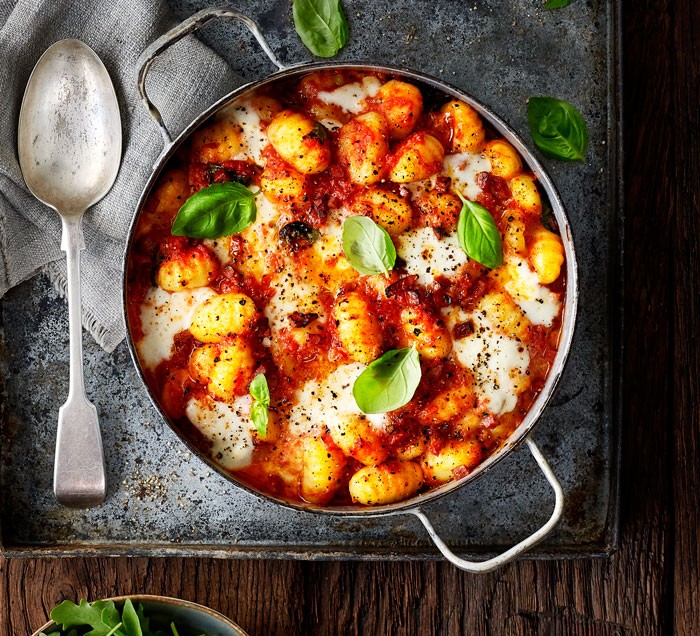
Preserving Culinary Heritage
Every traditional dish carries clues to the land it came from—what grew there, who cooked it, and how celebrations were flavored. By following these dishes, we keep ancestral knowledge in daily circulation instead of museum walls.
Enhancing Cooking Skills
Step-by-step guidance builds confidence. Measuring, timing, and tasting teach instinct, so that yesterday’s careful follower becomes tomorrow’s inventive cook.
The Science Behind Recipes
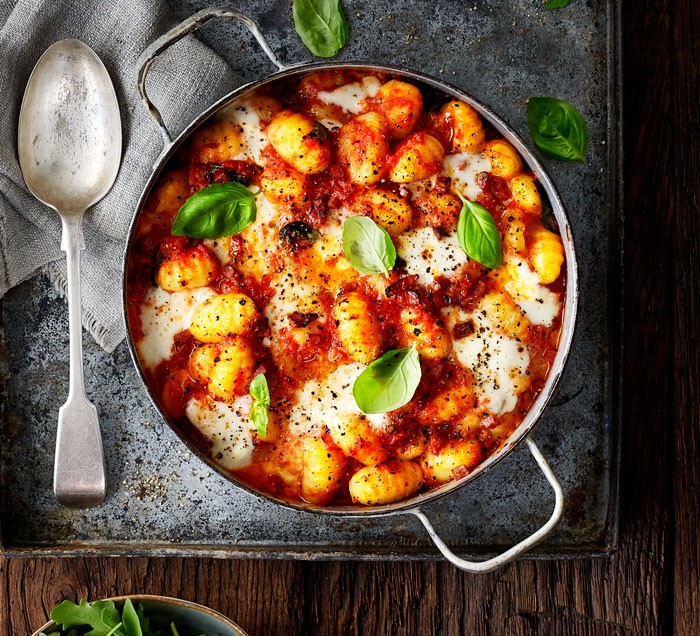
Good cooking is applied curiosity. Understanding how heat, moisture, and compounds interact turns guesswork into repeatable success.
Chemical Reactions
Browning bread crusts, caramelizing onions, or watching a cake rise all hinge on reactions that rearrange molecules into deeper colors and aromas.
Texture and Consistency
Whether the goal is silk-smooth custard or crisp roast potatoes, temperature and timing decide if the texture delights or disappoints.
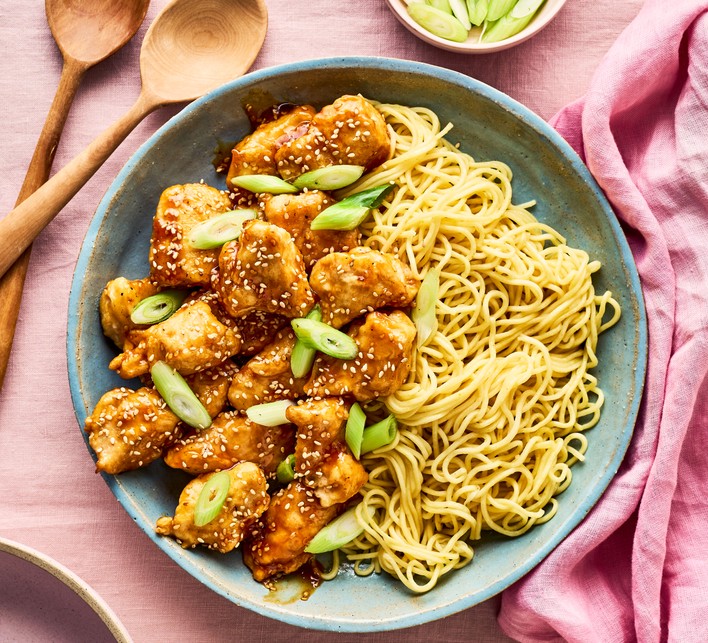
Flavor Development
Balance is dynamic: acidity brightens, salt amplifies, sweetness rounds, bitterness adds edge, and umami deepens. A thoughtful recipe juggles these notes into harmony.
Crafting the Perfect Recipe
Writing a reliable recipe is equal parts imagination and testing. Creativity sparks the idea; rigidity polishes it into something others can trust.
Research and Development
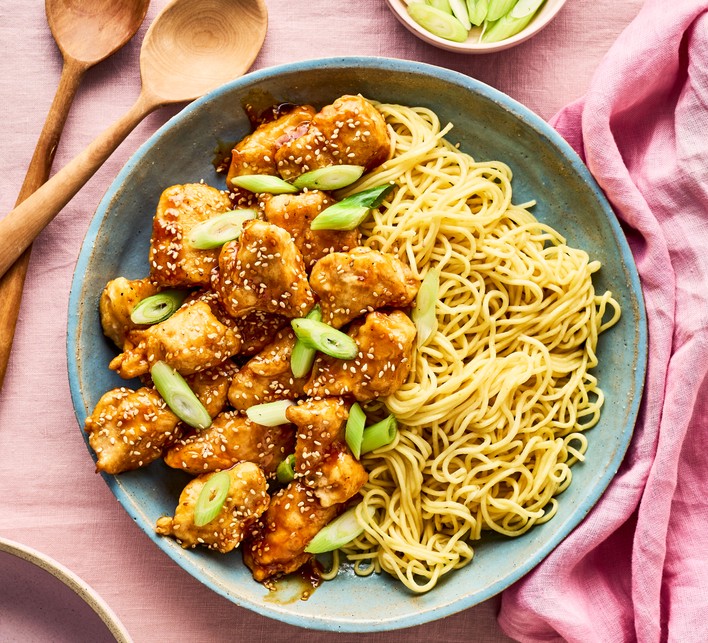
Begin by tasting versions of the dish, reading widely, and noting what works. Small experiments—swapping herbs, adjusting liquids—reveal the sweet spot.
Balancing Flavors
Taste constantly. If one element sings too loudly, soften it; if another whispers, give it room. The goal is a chorus, not a solo.
Testing and Refining
Cook the dish in different kitchens, with varied equipment, and with fresh or frozen ingredients. Adjust until the instructions feel foolproof, then write them down clearly.
The Evolution of Recipes
From hearth myths to smartphone screens, recipes have adapted to every technological leap while keeping their core purpose: feeding people well.
Ancient Recipes
Early cooks relied on memory and communal teaching. Dishes were simple, anchored by local grains, fire, and seasonal availability.
Medieval Recipes
As trade routes expanded, spices and sugar entered elite kitchens. Manuscripts recorded lavish feasts, though most households still cooked by oral tradition.
Modern Recipes
Print, photography, and the internet democratized instruction. Today a street-food staple from one continent can be dinner on another within hours.
The Impact of Recipes on Global Cuisine
Shared instructions cross borders faster than luggage, weaving once-local flavors into the global pantry.
Culinary Exchange
Chili meets chocolate, tea smokes duck, and fermented sauces brighten stews far from their birthplace—each fusion begins with a recipe passed hand to hand.
Innovation and Creativity
Every adaptation sparks new questions: What if this grain replaced that one? Could this technique speed up that classic? The cycle of borrow-tweak-rename keeps cuisine restless and exciting.
Conclusion
Recipes remain the quiet engine of the table, translating place, memory, and science into something we can spoon onto a plate. By honoring their past and experimenting with their future, we ensure that tomorrow’s meals will be as comforting, surprising, and nourishing as those that came before.


