

The Impact of Dinner Ideas Apps on Modern Cooking and Meal Planning
In today’s fast-moving world, where speed and simplicity matter, dinner ideas apps have reshaped how people plan and prepare meals. These tools have become everyday helpers in countless kitchens, offering endless recipes, ready-made menus, and quick tips. This article looks at how such apps influence modern cooking, outlining their strengths, limitations, and what may lie ahead.
Introduction to Dinner Ideas Apps
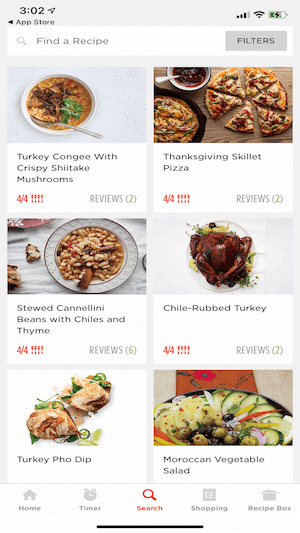
Dinner ideas apps are mobile programs built to spark inspiration for evening meals. They usually sort recipes by style of cooking, dietary need, and level of difficulty. Extras often include weekly planners, auto-generated shopping lists, and built-in timers. Well-known examples range from crowd-sourced platforms to video-first guides.
Benefits of Dinner Ideas Apps
Convenience
The biggest draw is speed. A few taps on a phone deliver a recipe, so home cooks can start right away without opening a cookbook or searching multiple sites. This suits busy parents, students, and anyone who wants dinner on the table fast.
Recipe Variety
These libraries cover everything from fifteen-minute pastas to plant-based curries. Constant updates keep choices fresh, encouraging users to taste new flavors and avoid the “same old supper” rut.
Meal Planning
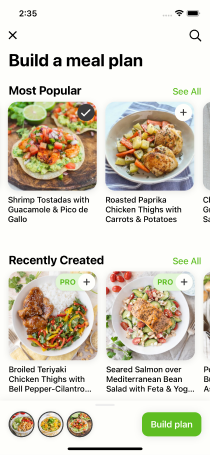
Built-in calendars let shoppers line up dishes for the week, then compile an organized grocery list. Planning ahead saves trips to the store and cuts down on impulse purchases.
Cooking Tips and Techniques
Short videos, step-by-step photos, and skill notes turn tricky tasks into manageable steps. Beginners learn how to hold a knife, while seasoned cooks pick up chef shortcuts.
Challenges and Concerns
Quality of Recipes
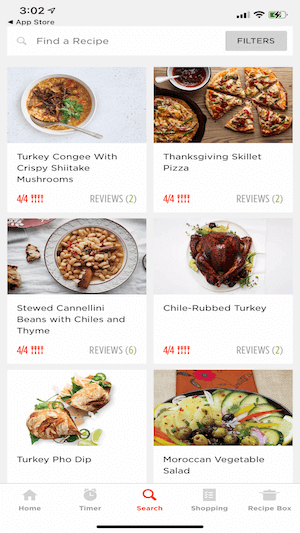
Because anyone can upload, instructions sometimes skip key details or assume hard-to-find items. Users may need to read comments and reviews to spot the winners.
Health and Nutritional Concerns
Eye-catching dishes can hide excess salt, sugar, or saturated fat. Filters for low-sodium, high-fiber, or calorie-capped meals help, but checking labels remains wise.
Overreliance on Technology
When the phone battery dies, so can dinner inspiration. Balancing app advice with basic kitchen instincts keeps confidence alive.
Case Studies and Research
Academic work suggests that people who plan meals with apps cook at home more often and serve a wider mix of ingredients. One project linked app use to lower food waste, as shoppers chose recipes that matched what they already had on hand.
Another survey reported that families saved both money and time when an app generated their grocery list, thanks to fewer unplanned purchases and less spoilage.
Future Potential of Dinner Ideas Apps
Tomorrow’s apps may act like personal sous-chefs, learning taste profiles and health targets to suggest nightly menus. Voice assistants could read steps aloud while hands stay messy, and connected appliances might pre-heat or weigh ingredients automatically.
Integration with local store inventories could highlight sale items or suggest swaps when favorites are out of stock, further streamlining the path from pantry to plate.
Conclusion
Dinner ideas apps already sit at the center of many modern kitchens, blending inspiration with organization. They cut stress, broaden palates, and reduce waste, yet they work best when paired with a dash of common sense. As developers refine algorithms and appliances grow smarter, these pocket-sized guides are poised to make home cooking even more inviting, affordable, and sustainable.
Embracing their strengths while staying mindful of their limits lets cooks of every level enjoy tastier, smoother, and healthier mealtimes for years to come.



